
Olive Oil
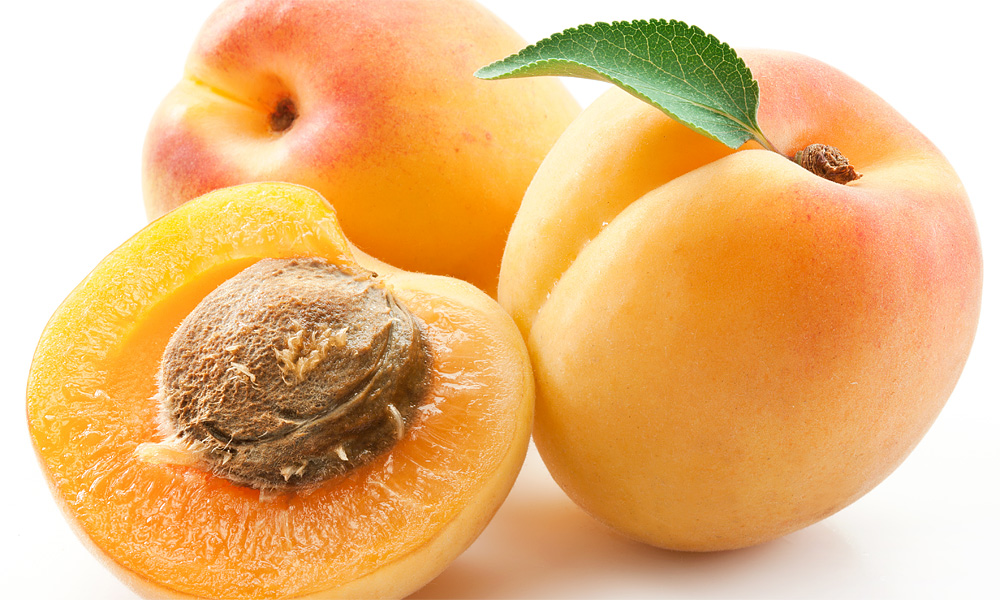
The state fruit of Georgia, Alabama and South Carolina, (these natives of North-West China) are among the most popular fruits grown in the United States. There are two main varieties: clingstones, which are most often canned, and freestones, which are easier to pit. Yellow peaches have a nice acidic tang coupled with sweetness; peaches with white flesh are generally sweeter and less acidic but also more fragile.
The peach is classified with the almond and distinguished from the other subgenera by the corrugated seed shell. Peaches and nectarines are the same species, even though they are commercially regarded as different fruits. The peach has the characteristic of “peach fuzz” as where the nectarine is free of “peach fuzz”.
China is the world’s largest producer of peaches, as where California being the U.S. largest producer.
The scientific name persica, along with the word “peach” derives from an early European belief that peaches were native to Persia. The Ancient Romans referred to the peach as “Persian apple”, later becoming French peche, hence the English “peach” Peach was brought to the America’s by Spanish explorers in the 16th century and eventually made its way to England and France in the 17th century, where it was consider an expensive treat.
Why Try
Peaches are at their best in August. And while you can find peaches in the winter months; the fruit available then is shipped from the southern hemisphere and are often dry and mealy. There are so many ways of using peaches than just in pies. They are great in savory dishes because of their acidic tang and their sweet juiciness makes them perfect in shakes or on pancakes.
Where to Buy
From May until September, domestically grown peaches are available at supermarkets, but you’ll find the most interesting varieties at farmers’ markets. Choose firm to slightly soft fruit that smells sweet, and avoid very hard or greenish ones (they were picked too early and probably won’t ripen) as well as peaches with soft spots. Store at room temperature until ripe. Peaches are climacteric fruits and continue to ripen after being picked from the tree.