
Olive Oil
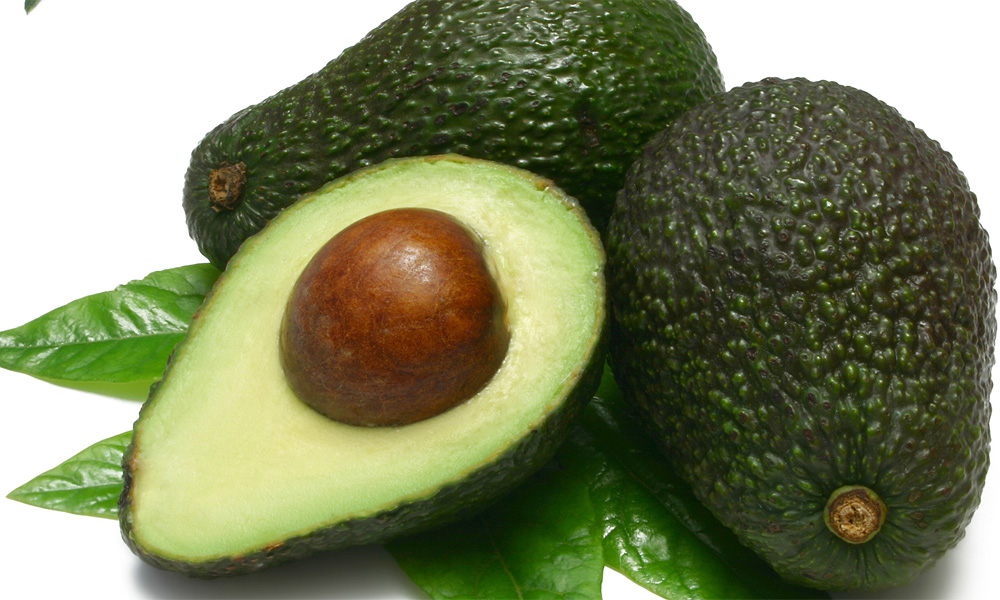
Avocado is derived from the Aztec word “ahuacatl” and are native to Mexico and Central America
European sailors on their way to the new world used avocados in place of butter and many people use it today much the same way as the European sailors did.
The avocado is also known by the name “alligator pear” because of its green skin and rough texture. The Hass variety comes from California and the shiny smooth skinned avocado from Florida. Many people have the belief that an avocado is a vegetable, wrong it’s actually a fruit, a berry to be exact.
There are more than 80 varieties of avocados with the Hass variety being the most popular for the year-round availability. All Hass avocado trees are descended from a single “mother tree” raised by a mail carrier named Rudolf Hass
Nutrition
Avocados are considered to be one of the world’s healthiest foods. One avocado globe contains more than one-third the daily value of vitamin C and more than half the day’s requirements of vitamin K. Eating avocados helps to regulate your blood pressure; they are full of magnesium and potassium. An avocado provides more magnesium and potassium than strawberries, bananas or kiwis. So eat up, they are tasty and good for you
Why Try
The fruit is not sweet, but rich, and distinctly yet subtly flavored, and of smooth, almost creamy texture. It is used in both savory and sweet dishes. Generally avocados are served raw and can be cooked for a short period of time without becoming bitter. It is a common base for a Mexican dish guacamole. In other parts of the world such as Vietnam, Philippines, and India the avocado is frequently used in shakes and sweet dishes. Avocados are used to make salads, and frequently used on hamburgers and in carne asada.
Avoiding Browning in Avocados
To help prevent an already sliced avocado from browning, sprinkle lemon juice on the exposed flesh, and then refrigerate in a plastic bag.
How to Select and Store
A ripe, ready-to-eat avocado is slightly soft but should have no dark sunken spots or cracks. A soft avocado is sometimes bruised rather than truly ripe. To be sure, flick the small stem of the avocado. If it comes off easily and you can see green underneath it, the avocado is ripe. If the stem does not come off or if you see brown underneath it the avocado is not ripe. If the avocado has a slight neck, rather than being rounded on top, it was probably tree ripened and will have better flavor. A firmer, less mature fruit can be ripened at home and will be less likely to have bruises .A firm avocado will ripen in a brown paper bag or in a fruit basket within a couple of days. Once ripe, an avocado can be kept refrigerated for up to a week.
To Peel an avocado
Cut the avocado in half lengthwise from top to bottom. Twist apart the two halves. Remove the pit with a spoon, spooning around the pit. You can if being careful cut up avocado within the peel. Spoon out diced avocado. Discard pit.
Planting and Growing
Rinse pit under cool water. Carefully push 3 toothpicks in the widest part of pit about 1/2-inch deep. Suspend pit over a glass of water; making sure water is covering the widest part of the pit. Place in a bright window sill and within 3 -6 weeks you’ll see the pit split and a sprout will come through. Make a small depression in soil and place plant root side down into soil. Cover leaving the upper half of pit above soil. Water carefully.
I have had much better success just by putting the pit into soil, and watering. I had forgotten I had done that and the next thing I know I had two plants. They are now about 3 1/2 feet tall. I keep them in a sunny place and water only when the top of the soil looks dry. I hope you’ll have the same success as I have had in growing them.